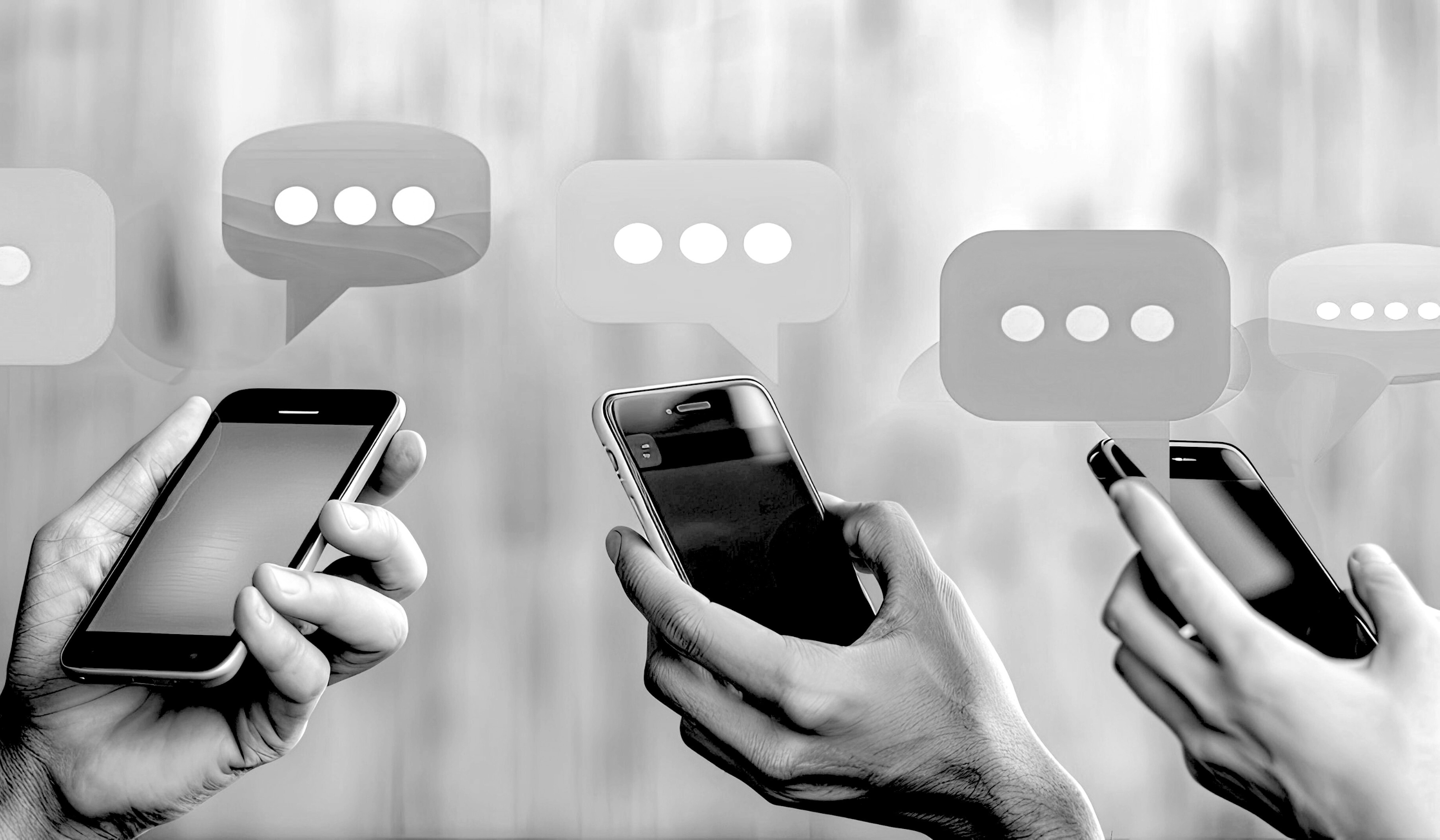
In the Modern Customer Journey
The fastest path to trust is no longer a website. It is a conversation.
Customer journeys no longer move neatly from ad to website to email to sales call. They unfold inside messaging apps. WhatsApp, Telegram, Instagram DMs, Messenger, and other chat platforms have become where questions are asked, decisions are shaped, and actions are taken.
In Singapore, messaging has overtaken email as the default channel for day to day communication. People use chat apps not only to talk to friends, but to ask questions, compare options, request support, book appointments, and even complete purchases.
This shift fundamentally changes how SMEs, associations, and B2B brands should think about engagement. Messaging is no longer a support channel. It is one of the most powerful touchpoints across the entire customer journey.
This article explains why messaging apps are so influential, how they change customer behaviour, and how to build a messaging led strategy that supports acquisition, engagement, and retention.
Why Messaging Apps Change Customer Behaviour
Messaging is checked constantly
Messaging apps are habit driven. In Singapore, people check WhatsApp and Telegram dozens of times a day, while email is opened selectively and often delayed.
This immediacy shortens decision cycles. When responses are fast, momentum stays high.
Messaging feels personal and trustworthy
Chat feels human. It removes the distance that formal channels create.
Messaging enables faster rapport, clearer clarification, more honest dialogue, and greater willingness to engage. This is why WhatsApp messages often outperform email campaigns in response and conversion.
Messaging removes friction
Customers increasingly avoid long forms, complex websites, delayed email replies, and automated phone systems.
They prefer simple interactions like “Can I ask something quickly?” or “How do I get started?”
Messaging dramatically simplifies the journey.
Messaging supports rich, practical communication
Photos, screenshots, voice notes, links, and files can be shared instantly. This makes conversations more efficient and more context rich than email.
Messaging platforms act as mini ecosystems
Telegram channels, WhatsApp communities, and official accounts now function as content hubs, announcement boards, support centres, and lightweight CRM systems.
Customers stay informed without leaving the app they already use daily.
How Messaging Apps Influence Every Stage of the Funnel
Awareness
Brands are discovered through forwarded messages, group chats, Telegram channels, broadcasts, and shared content. Recommendations spread quickly because they come from trusted sources.
Consideration
Prospects ask questions in chat to compare options, clarify details, understand features, request pricing, and check availability. Messaging becomes real time consultation.
Evaluation
Chats support deeper explanation, objection handling, testimonial sharing, case study references, demos, and quick access to relevant links. This accelerates decision making.
Purchase
Many purchases are finalised with simple messages such as “I’ll take it” or “Please send invoice.” Messaging shortens the transaction step.
Retention
Brands use messaging for updates, releases, promotions, feedback, community engagement, and support. Direct access strengthens loyalty over time.
Messaging Behaviour Varies by Region
Messaging strategy must be localised.
In Singapore, WhatsApp, Telegram, and Instagram DMs dominate.
In Malaysia and Indonesia, WhatsApp leads strongly.
In Thailand, Line is central.
In Vietnam, Zalo is key.
In the Philippines, Messenger and Viber are widely used.
Expansion without understanding local messaging behaviour creates friction immediately.
Why Messaging Outperforms Traditional Channels
Messaging is immediate, conversational, integrated into daily life, and supportive of automation without feeling robotic. It allows proactive engagement through broadcasts and groups without forcing users to switch platforms.
This alignment with real behaviour is why messaging consistently outperforms email and static channels.
How to Use Messaging Apps Strategically
Step 1: Define the role of messaging
Decide whether messaging supports support, sales, updates, community building, lead nurture, events, onboarding, or retention. Focus creates clarity.
Step 2: Build structured chat journeys
Design predictable flows such as lead capture, FAQs, demo booking, registrations, support triage, renewals, and event reminders. Structure makes messaging scalable.
Step 3: Keep communication human
Messages should be short, friendly, and conversational. Corporate tone breaks trust instantly in chat environments.
Step 4: Use AI carefully
AI can support first responses, routing, FAQs, booking, and explanations. Always allow human fallback and keep replies natural.
Step 5: Integrate CRM and tracking
Messaging should connect with tools like HubSpot, WhatsApp Business API, Telegram bots, and automation workflows. This enables segmentation, follow up, and analytics.
Step 6: Build communities, not just broadcast lists
Groups and communities increase loyalty, engagement, and referrals. Community driven messaging consistently outperforms one way broadcasting.
Step 7: Use messaging for retention and expansion
Reminders, updates, features, events, exclusive content, and renewal prompts work best in direct channels. Retention improves when communication feels personal.
Metrics That Matter
Track open rates, response time, read receipts, click through, message drop off, conversions from chat leads, active members, and churn. These show real engagement, not vanity activity.
Common Mistakes to Avoid
Being too formal, sending too many messages, relying only on manual replies, lacking a clear purpose, and treating messaging like email all lead to disengagement.
Messaging requires restraint, structure, and empathy.
Conclusion
Messaging apps have become one of the most powerful touchpoints in the customer journey because they align with how people actually communicate — fast, conversational, and personal.
For SMEs, B2B brands, and associations, messaging offers a high impact, low cost way to build trust, accelerate decisions, and strengthen retention.
Brands that adopt a messaging first mindset meet customers where they already are. Those that do not risk becoming invisible in the most active channel of all.
Keen to know how Fractional Marketer can help? Let's chat!